
2026 Grand Marshals
As we reflect back on what the past year has brought, the challenges and setbacks faced by our community have been numerous and daunting. In times like these, it is important to recognize that our unity and our joy represent some of the most powerful tools we have in the face of adversity and bigotry. This year, we pay homage to those who paved the way for our community.
The fifteen individuals listed below represent the best of us. They are those who took the brave first steps when no one else would. Those who fought endlessly and tirelessly for equity and respect. Those whose names we need to remember, as our accomplishments are built on their backs.
The 15 posthumous Grand Marshal Heroes of Poughkeepsie Pride 2026 are:
Lucy Hicks Anderson Gladys Alberta Bentley Jason Collins
Storme DeLarverie Laurence Michael Dillon Barbara Gittings
Miss Major Griffin-Gracy Pearl M. Hart Keith Haring
Marsha P. Johnson Pedro Segundo Mardones Lemebel Audre Lorde
Harvey Bernard Milk Sylvia Rivera Bayard Rustin
The 2026 Posthumous Grand Marshal Heroes
-
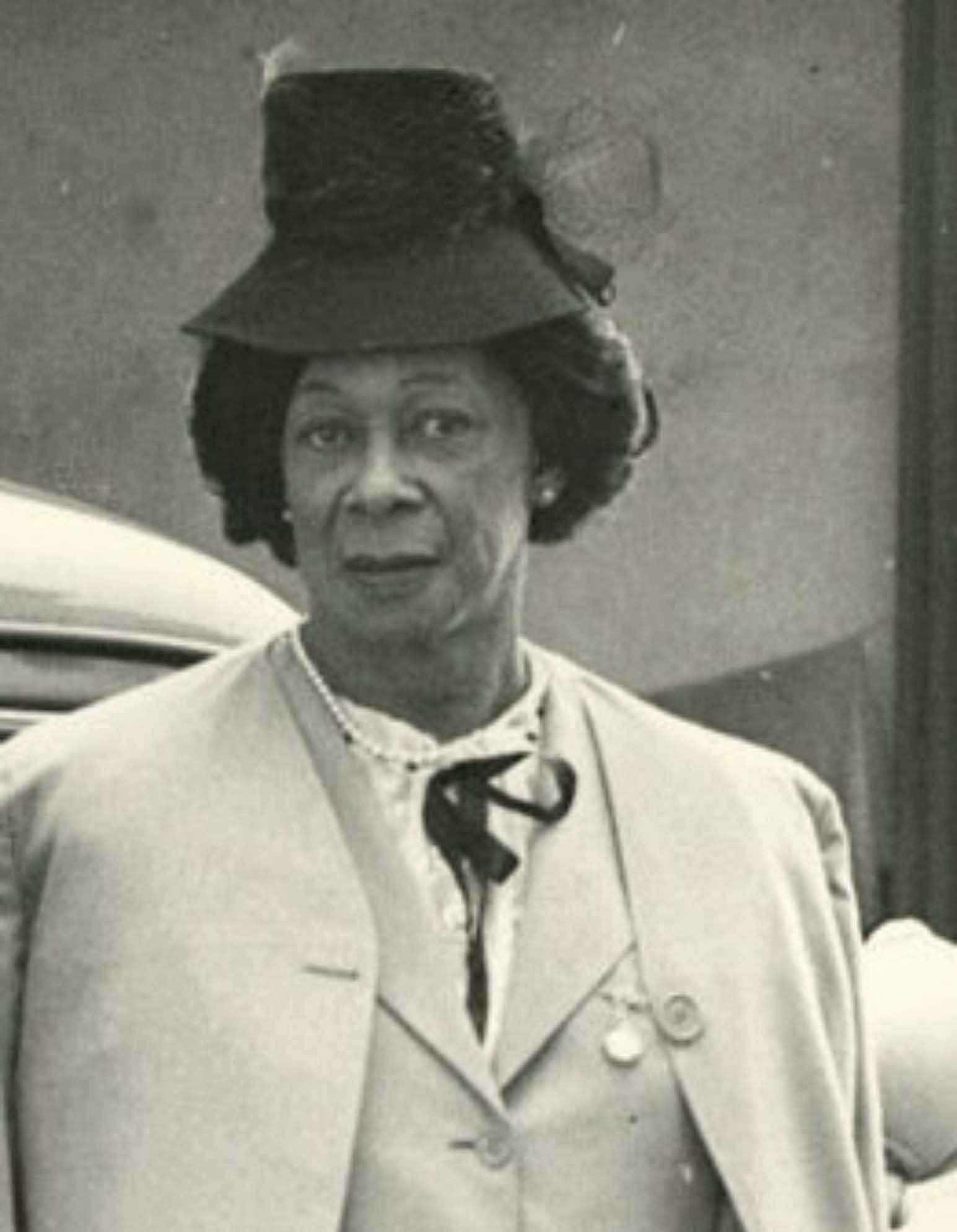
Lucy Hicks Anderson
(January 9, 1886 - September 23, 1954)
Lucy Hicks Anderson was an American socialite, chef, hostess and philanthropist. She was one of the first documented black transgender women in American history. From a very young age, Anderson insisted that even though she was assigned male at birth, she was a woman. In 1945, Anderson was outed as transgender and arrested for perjury for lying on her marriage license. During this trial, she is quoted as saying “I defy any doctor in the world to prove that I am not a woman. I have lived, dressed, acted just what I am. A woman.”
Anderson unapologetically lived her truth in a time when doing so was dangerous. She built community by running a successful boarding house that became a lively social hub where marginalized people were able to experience connection and pleasure, which countered isolation and oppression. She absolutely refused to accept the attempts by society to make her feel ashamed for living her life authentically and she embraced her identity publicly which created visibility and empowered others. Anderson’s joy wasn’t just personal happiness- it was a deliberate, visible assertion of dignity and humanity in a society structured to deny her both.
-
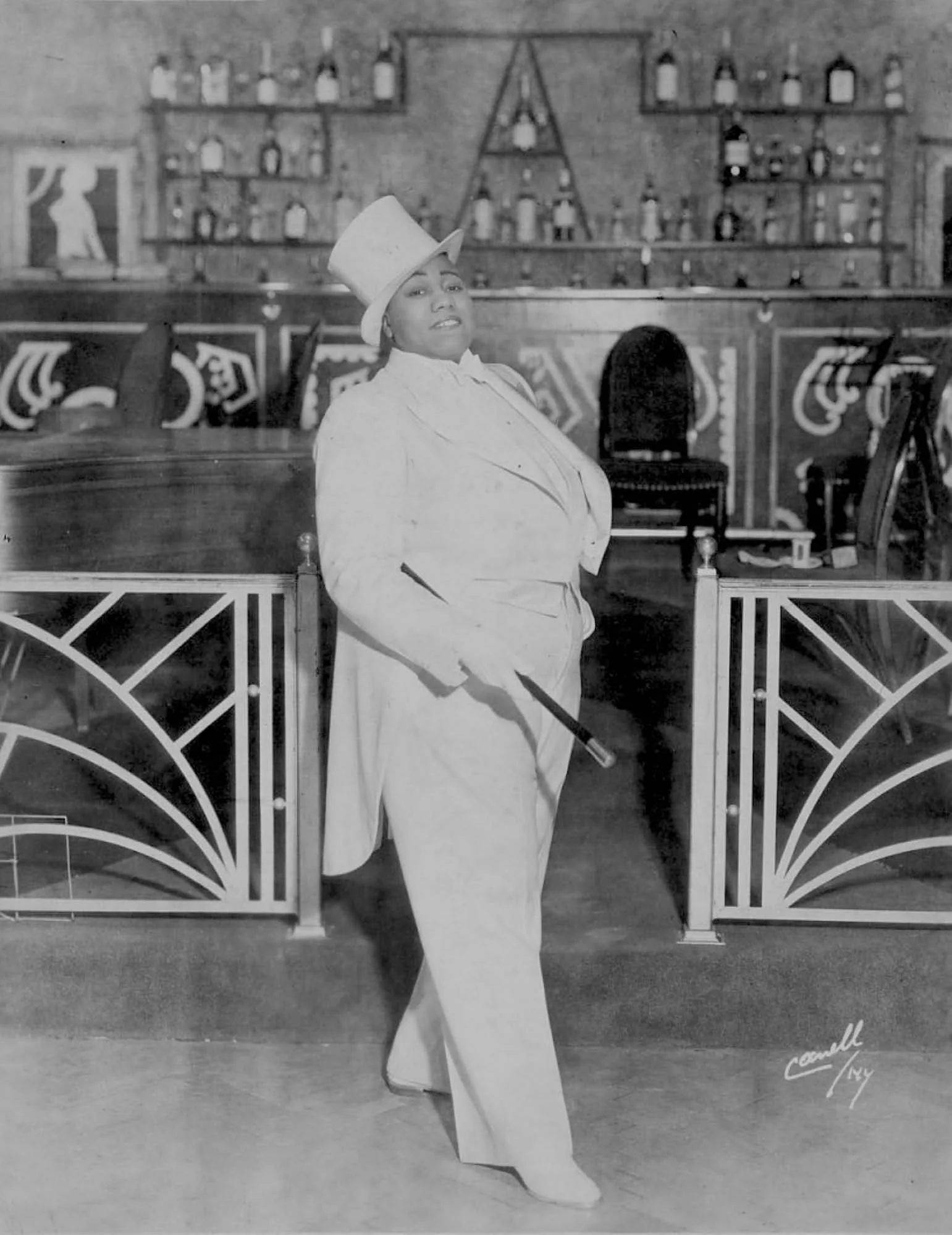
Gladys Alberta Bentley
(August 12, 1907 - January 18, 1960)
Gladys Alberta Bentley was an American blues singer, pianist, and entertainer who became a prominent figure during the Harlem Renaissance in the 1920’s and 30’s. She was widely recognized for having a strong contralto voice, spirited stage presence, and a riveting performance style, as well as being an out and proud lesbian who regularly dressed in men’s clothing including her signature top hat and tails. Bentley described herself as follows, “Like a great number of lost souls, I inhabited that half-shadow no-man’s land which exists between the boundaries of the two sexes.”
Bentley made performance itself a form of resistance. Besides her masculine style of dress, she openly flirted with women, and turned nightlife into a public stage for queer possibility. Her music and masculine energy didn’t simply represent queerness, but it created a space where people could laugh, desire, and feel seen. She used art, pleasure, and style to defy policing of gender and sexuality, and to build a culture that refused to create shame.
-
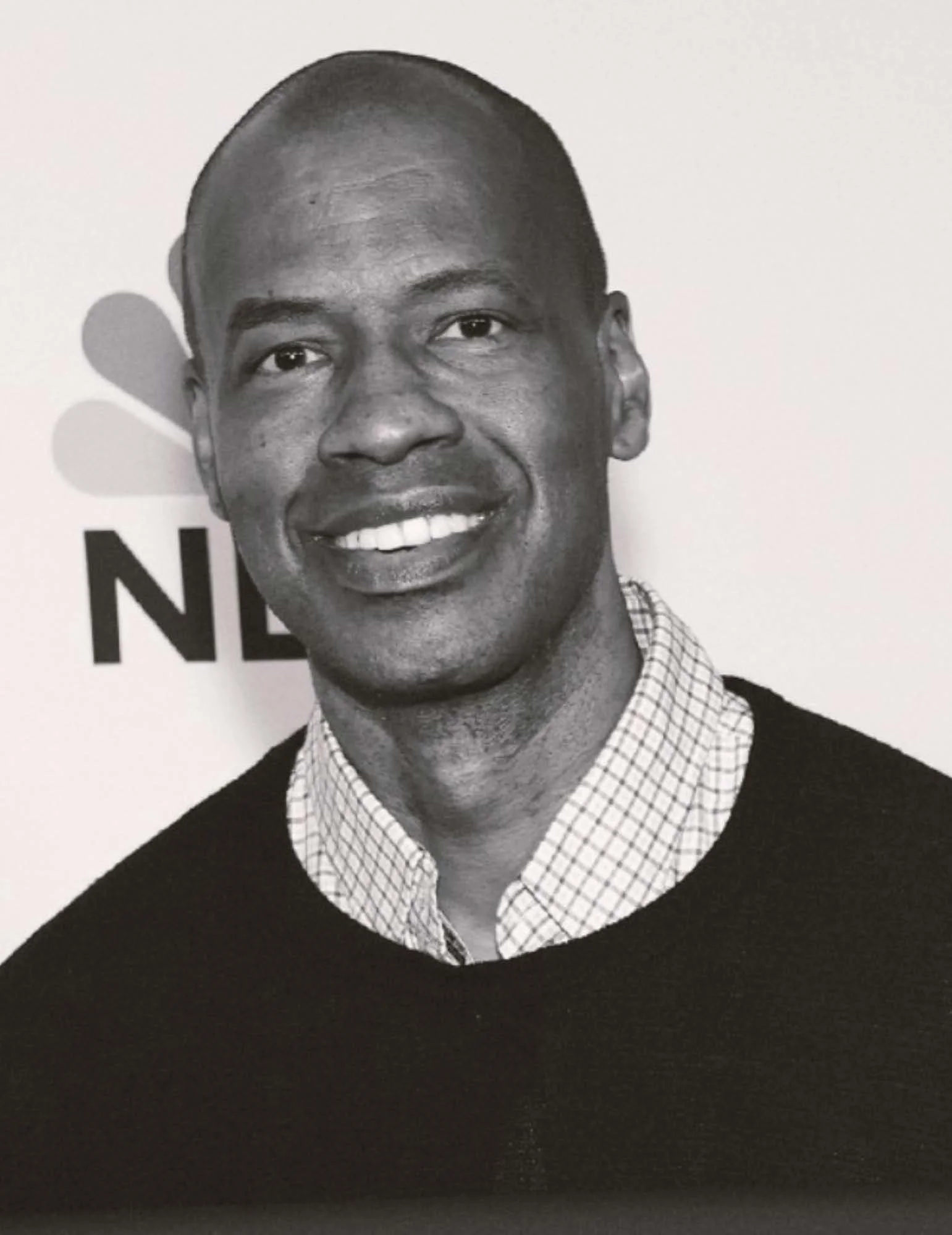
Jason Collins
(December 2, 1978 – May 12, 2026)
Jason Collins, a professional basketball player with the Washington Wizards, came out in 2013 as gay, in an interview with Sports Illustrated. He became the first active male athlete from any North American professional team sports to publicly come out. The Guardian called it significant for LGBTQ acceptance “as professional sports had long been seen as the final frontier.” Collins truly took a huge risk in coming out, especially in his career, but he came out regardless and made a huge step for queer athletes like him.
After coming out, he became a free agent and was not signed by any team until 2014 when he signed a 10-day contract to rejoin the Nets, a team he had played on from 2001-2008. After the 10 day contract expired, Collins was given a contract for the remainder of the season and he retired the following season. He very purposefully chose his jersey number 98 to honor Matthew Shepard who was murdered in 1998 for being gay. He called the number “a statement to myself, my family and friends.” Collins's jersey rose to the top spot for sales in the NBA's online shop, with proceeds benefitting the Matthew Shepard Foundation, and the Gay, Lesbian & Straight Education Network (GLSEN).
-
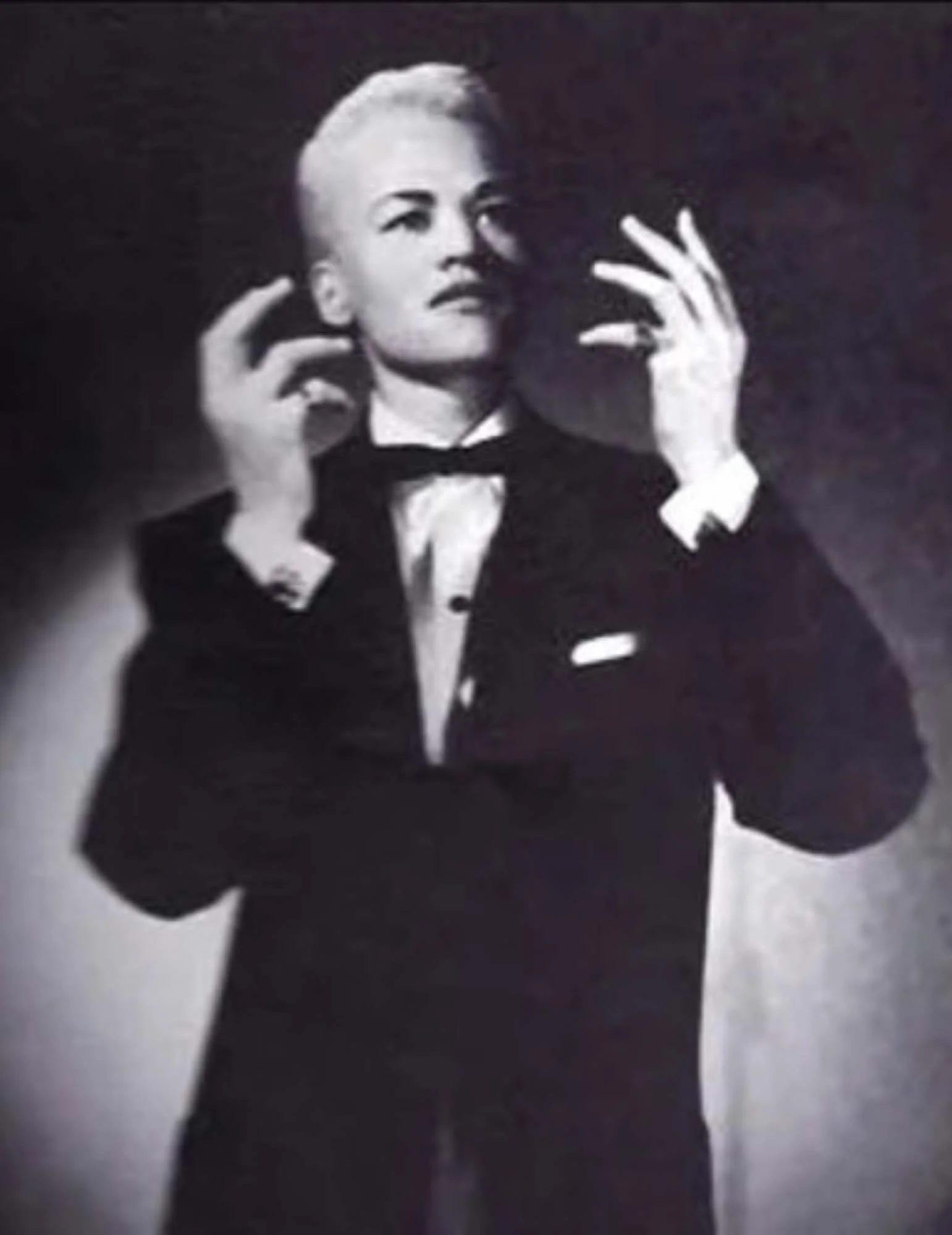
Stormé DeLarverie
(December 24, 1920 - May 24, 2014)
Stormé DeLarverie has been identified by many eye witnesses as the lesbian whose scuffle with police was the spark that ignited the Stonewall riots, spurring the crowd to action. Living their life as a drag king and androgynous fashion icon, they stated “I modeled myself after me. All I did was cut my hair and change. I walked the same, I talked the same. I was king of the mountain, and I intended to stay that way.”. One of their proudest roles was working as a volunteer street patrol worker which earned them the nickname “Guardian of the Lesbians in the Village".
DeLarverie embodied their resistance through fearless self-styling and community defense. They modeled a life that refused to shrink, and while they often underplayed the importance of their role in the Stonewall Uprising, their refusal to accept poor treatment by the police at the time led to the modern day Gay Rights Movement. This shows us that collective uprising didn’t start from despair alone, but rather it ignited when people decided their nightlife, their bodies, and their chosen family were worth fighting for.
-
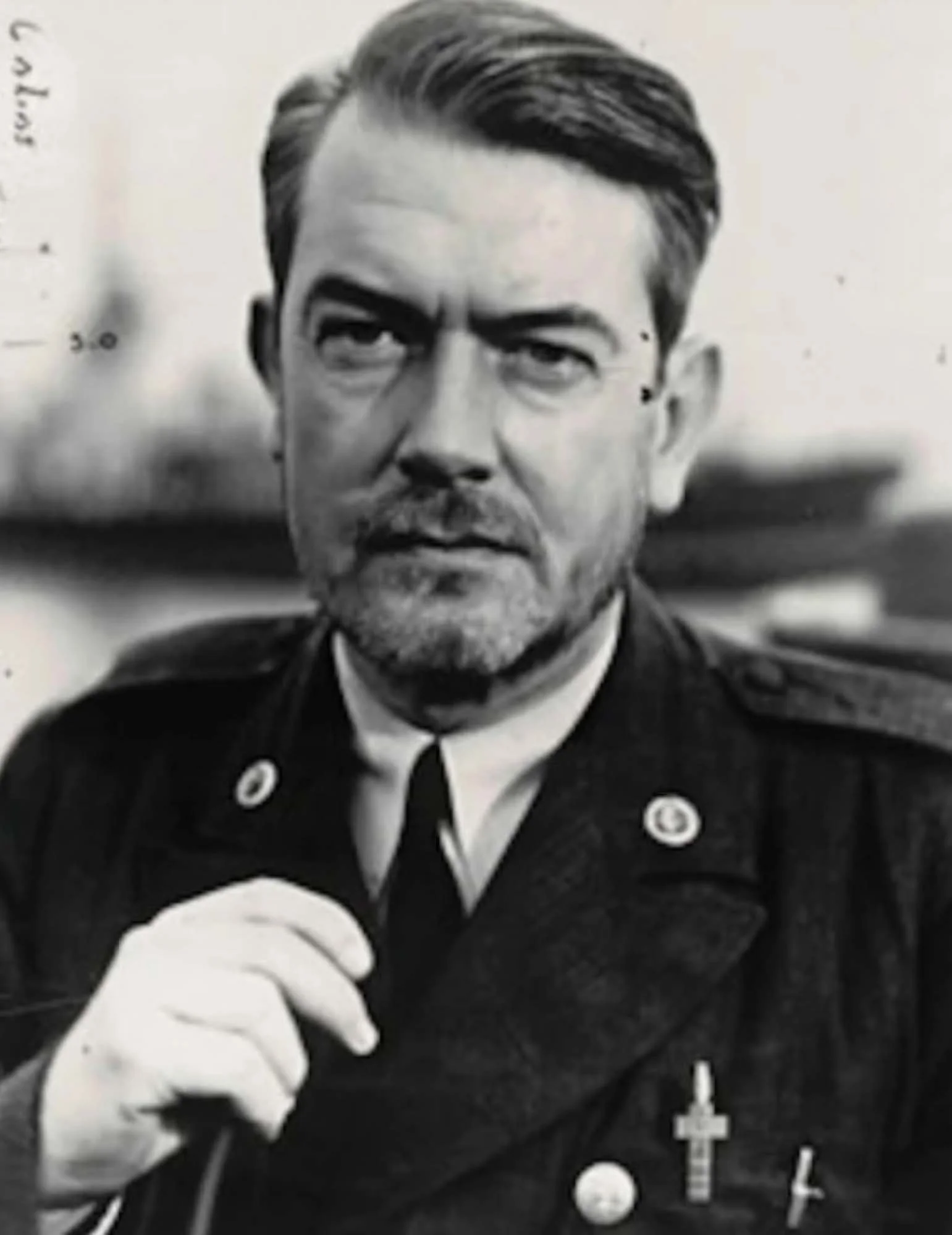
Laurence Michael Dillon
(May 1, 1915- May 15, 1962)
Laurence Michael Dillon was a British physician, author, poet, Buddhist monk and the first transgender man to use testosterone therapy and to undergo a number of gender affirming surgeries including a full double mastectomy and phalloplasty surgery. In 1946 Dillon published a book about being transgender called Self: A Study in Endocrinology and Ethics in which he stated, “Where the mind cannot be made to fit the body, the body should be made to fit, approximately at any rate, to the mind.”
Dillon also writes that many transgender folks (who he referred to as masculine or feminine inverts) require medical treatment in the same manner as intersex people, and they should not have to pay for it. He strongly advocated for tolerance and understanding of people who do not align with the traditionally-understood notion of sex and gender. His lasting legacy is that he created possibilities for transgender individuals where none was supposed to exist by successfully transitioning and continuing his professional life as an out transgender man.
-
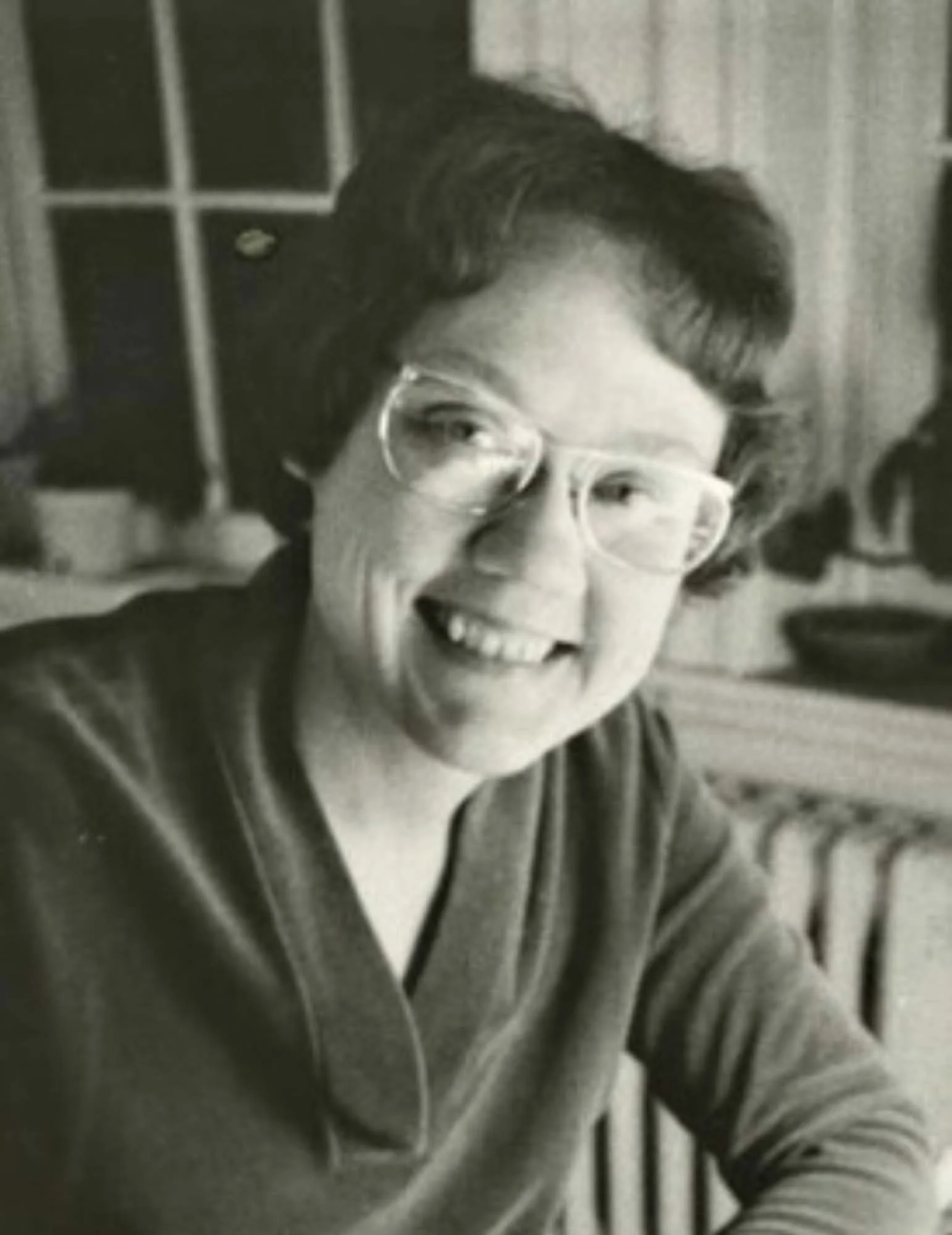
Barbara Gittings
(July 31, 1932 – February 18, 2007)
Barbara Gittings has sometimes been referred to as the Mother of the Queer Liberation Movement. At a time when queer people were pushed into silence, Gittings helped create space for lesbian and gay lives to be seen and affirmed. She was an LGBTQ+ activist who, in 1958, started the New York chapter of the Daughters of Bilitis, the first lesbian political and civil rights organization. She edited the national Daughters of Bilitis magazine, The Ladder, from 1963 to 1966 and worked during the 1970’s with the American Library Association to promote literature about positive queer experiences in libraries.
Gittings worked hard to fight the ban on employment of LGBTQ+ folks in the US Government. She felt that “equality means more than passing laws. The struggle is really won in the hearts and minds of the community, where it really counts.” In a lifetime of activism, one of Gittings most important acts was her fight to have the American Psychiatric Association remove homosexuality from its list of mental illnesses. By doing this, she removed one of the most powerful forms of institutional stigma. Her legacy still stands in her fight for a world where queer people could exist openly, proudly, and without being defined as sick.
-
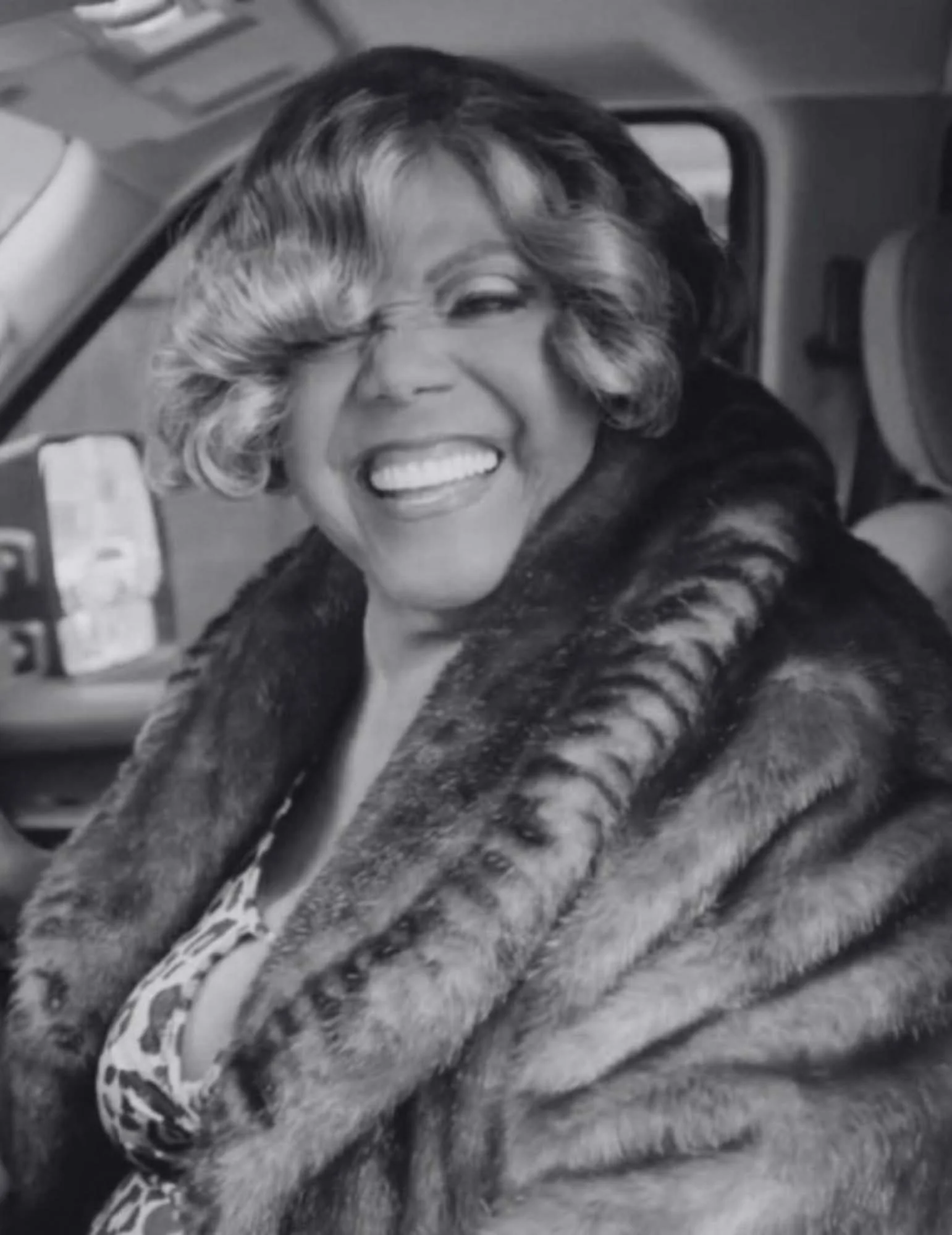
Miss Major Griffin-Gracy
(October 25, 1946 - October 13, 2025)
Miss Major Griffin-Gracy was an author, activist, and community organizer for transgender rights. She was also one of those present at the Stonewall riots. Miss Major’s fierce commitment and intersectional approach to justice brought her to care directly for people with HIV/AIDS in New York in the early 1980s, and later to drive San Francisco’s first mobile needle exchange. As director of the TGI Justice Project, she’d return to prisons to help incarcerated trans women.
Most recently, she founded the House of gg (also known as The Griffin-Gracy Educational and Historical Center) which creates safe and transformative spaces where members of the community can heal from the trauma arising from generations of transphobia, racism, sexism, poverty, ableism and violence, and nurture them into tomorrow’s leaders. Her main driving force was building community and stated that “You can kill a person, but you cannot kill an idea, and you can’t kill love or hurt.”
-
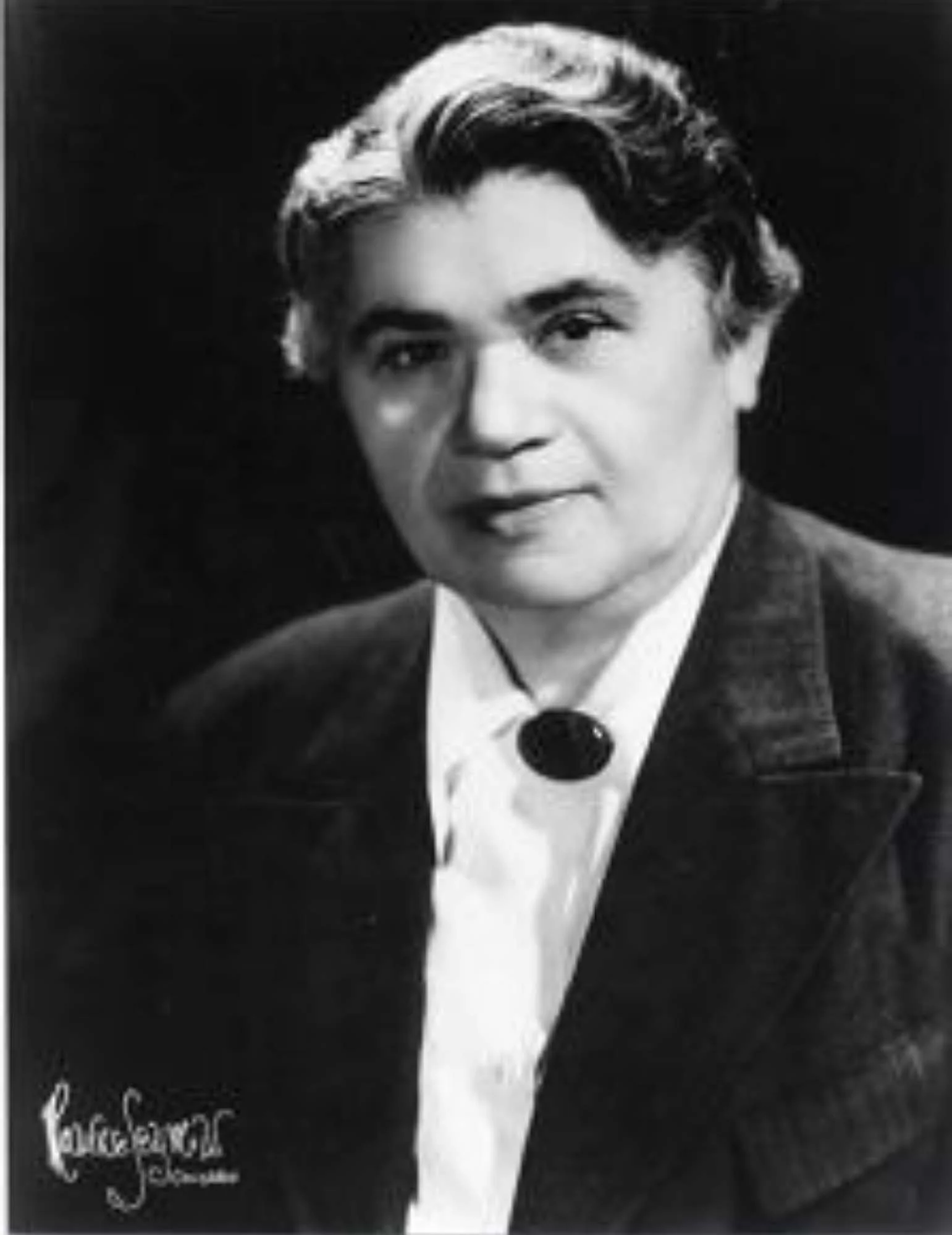
Pearl M. Hart
(April 7, 1890 - March 22, 1975)
Pearl M. Hart (born Harchovsky) was the first woman in Chicago to be appointed public defender and one of the first to specialize in criminal law. Hart spent her entire career defending the rights of oppressed minority groups, including children, women, immigrants and LGBTQ+ folks pro bono. She is famously credited as saying “I shall never submit to be tried under the law that neither I nor my sex had a voice in making.”
Hart found purpose and fulfillment in fighting injustice by defending workers, immigrants, and marginalized communities at a time when doing so could damage a lawyer’s reputation or career. She felt her purpose was to use her skills to challenge unfair systems. By doing this, she built solidarity and community through shared victories, mutual support, and letting others know they were not alone. Hart also expanded what was possible for women and broke barriers.
-
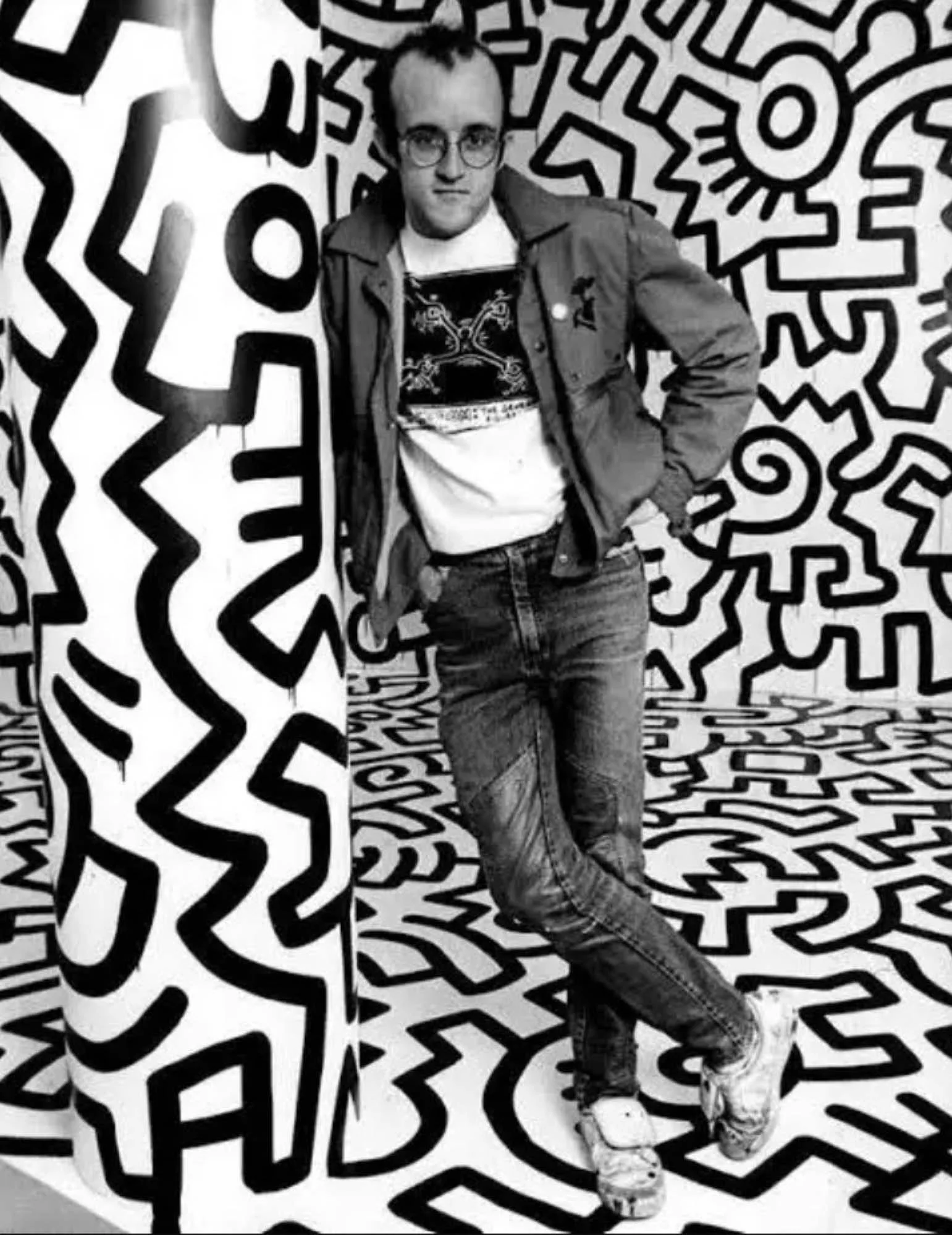
Keith Allen Haring
(May 4, 1958 – February 16, 1990)
Keith Allen Haring was an American artist and activist. Emerging from New York City's downtown art and graffiti scenes in the early 1980s, he transformed subway chalk drawings into an internationally celebrated career that bridged street art and Pop art. Haring first gained public attention through spontaneous white-chalk drawings on unused black advertising panels in New York City subway stations. Between 1982 and 1989, he created more than 50 public murals for hospitals, schools, and community spaces.
Much of Haring's work addressed political and social issues, including anti-apartheid activism, the crack epidemic, homosexuality, safe sex, and AIDS awareness, often using his own iconography to communicate urgent messages. Through bright, playful images in community spaces, he brought art out of elite institutions and into everyday life. After his AIDS diagnosis, Haring used his art and Foundation to support AIDS organizations and children’s programs, turning creativity into care and visibility into action. He used art as a way of fighting back, building community, and insisting on life in the face of silence and stigma. He felt that “Art is nothing if you don’t reach every segment of the people.”
-
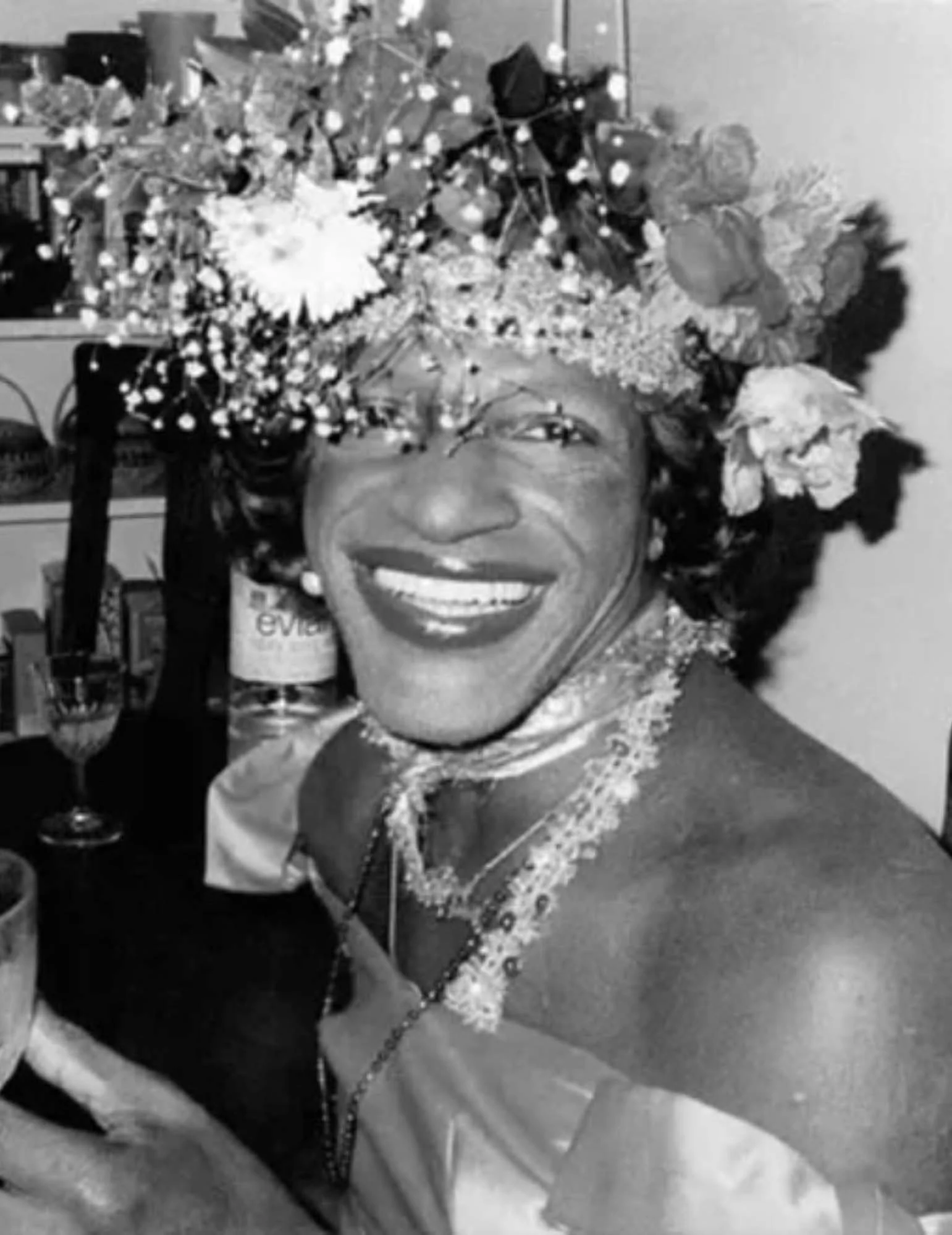
Marsha P. Johnson
(August 24, 1945 - July 6, 1992)
Marsha P. Johnson was one of the key figures in the Stonewall Uprising, and considered to be the one who ‘threw the first brick’, although this was a claim she sometimes refuted. Her presence in street life and protest refused a world built to shame and erase trans people. That spirit became material resistance when she co-founded Street Transvestite Action Revolutionaires (STAR) with Sylvia Rivera. Through STAR, she helped create housing and mutual aid for unhoused queer and trans youth. STAR was built on the concept of mutual aid and helping others, and she often could be found helping young queer and trans young people.
Johnson is quoted as creating a slogan that so many still use today in their fight for the end of discrimination in all its forms: “No pride for some of us without liberation for all of us.” She felt very strongly that helping others to be their best selves was the best way to create a better future for all.
-
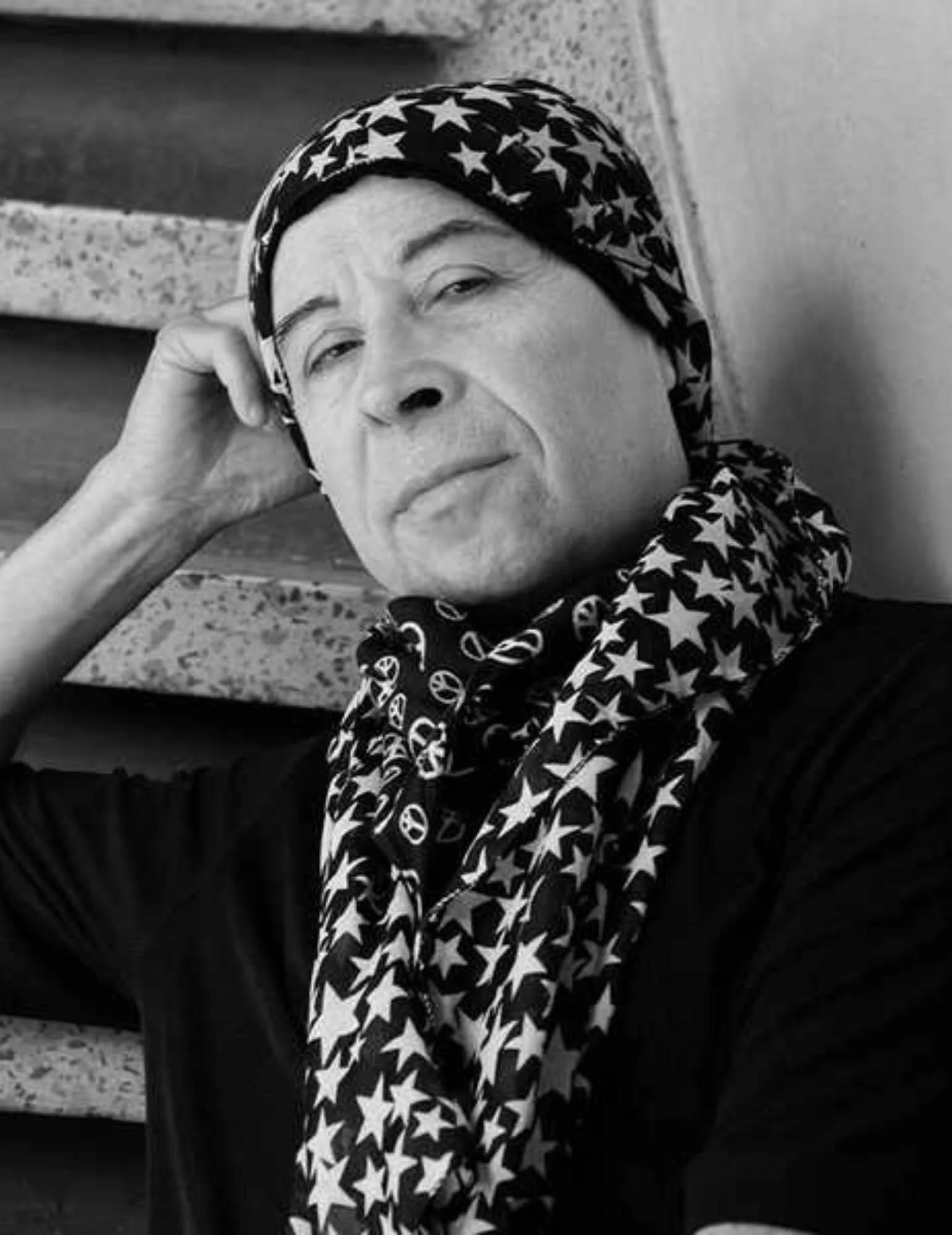
Pedro Segundo Mardones Lemebel
(November 21 1952 – January 23 2015)
Starting in dictatorship-era Chile, Pedro Segundo Mardones Lemebel used performance, satire, and lyrical, irreverent writing to challenge authoritarianism, machismo, and homophobia. He was an essayist, and novelist who was best known for his cutting critique of authoritarianism and for his humorous depiction of Chilean popular culture, from a queer perspective. He refused the idea that resistance had to look solemn or respectable and instead he used humor and camp as a way to fight the systems of oppression he faced.
In 1987, Lemebel co-founded a group called "Yeguas del Apocalipsis," ("The Mares of the Apocalypse,") a reference to the biblical "Horsemen of the Apocalypse". They made appearances sabotaging book launches, art expositions and even political discussions, such as when he recited his manifesto ‘Manifest (I Speak for my Difference)’ in which he criticized left-wing politics for their lack of inclusion of queer folks and what he felt was blatant homophobia. These appearances were usually surprising, provocative and demonstrated an aspect of counter-culture. Lemebel felt that being visible was the most powerful way to survive and fight oppression stating, “I want to be out there, in the street, on the sidewalk, pirated by clandestine commerce, within arm’s reach where my public can grab me. I belong to the copular and popular class .” In 2014, he was nominated for Chile’s National Literature Prize.
-
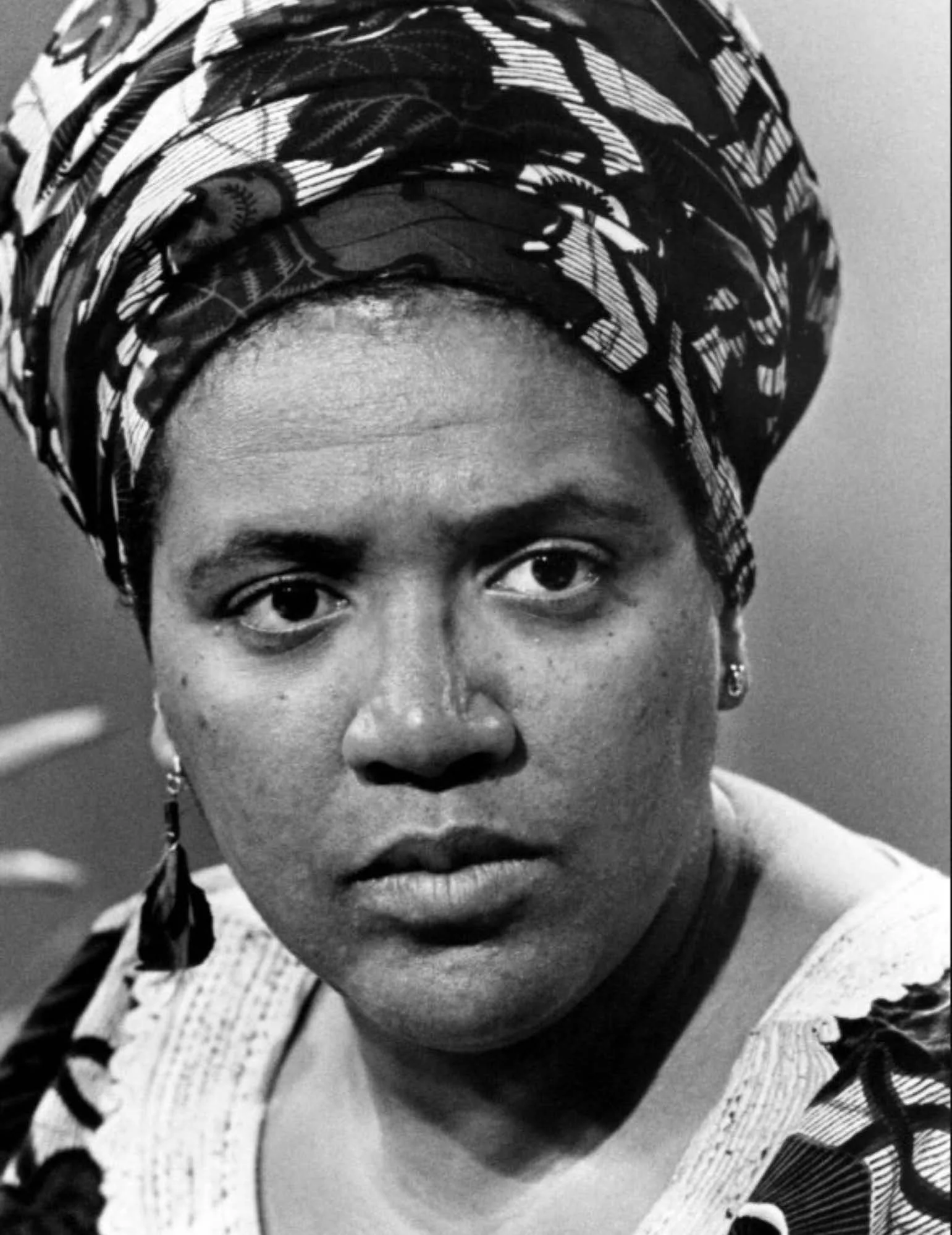
Audre Lorde
(February 18, 1934 - November 17, 1992)
Audre Lorde was a writer, professor, philosopher who was often described as a Black feminist warrior-poet. She was one of the pioneers of the idea of intersectionality by exploring how race, gender, sexuality, and class uniquely shape identity and oppression, famously urging marginalized groups to use their differences as strength and to use silence as a tool of power. “When I dare to be powerful, to use my strength in the service of my vision, then it becomes less and less important whether I am afraid.”
In one of her most famous articles, “Uses of the Erotic,” Lorde argues that our capacity for deep feeling creates clarity, connection, and courage, and the systems that oppress us such as racism, sexism, and homophobia depend on people staying numb or ashamed. Her legacy is a reminder that when we protect our capacity to feel, we protect our capacity to organize, to love, and to change what once felt unchangeable.
-
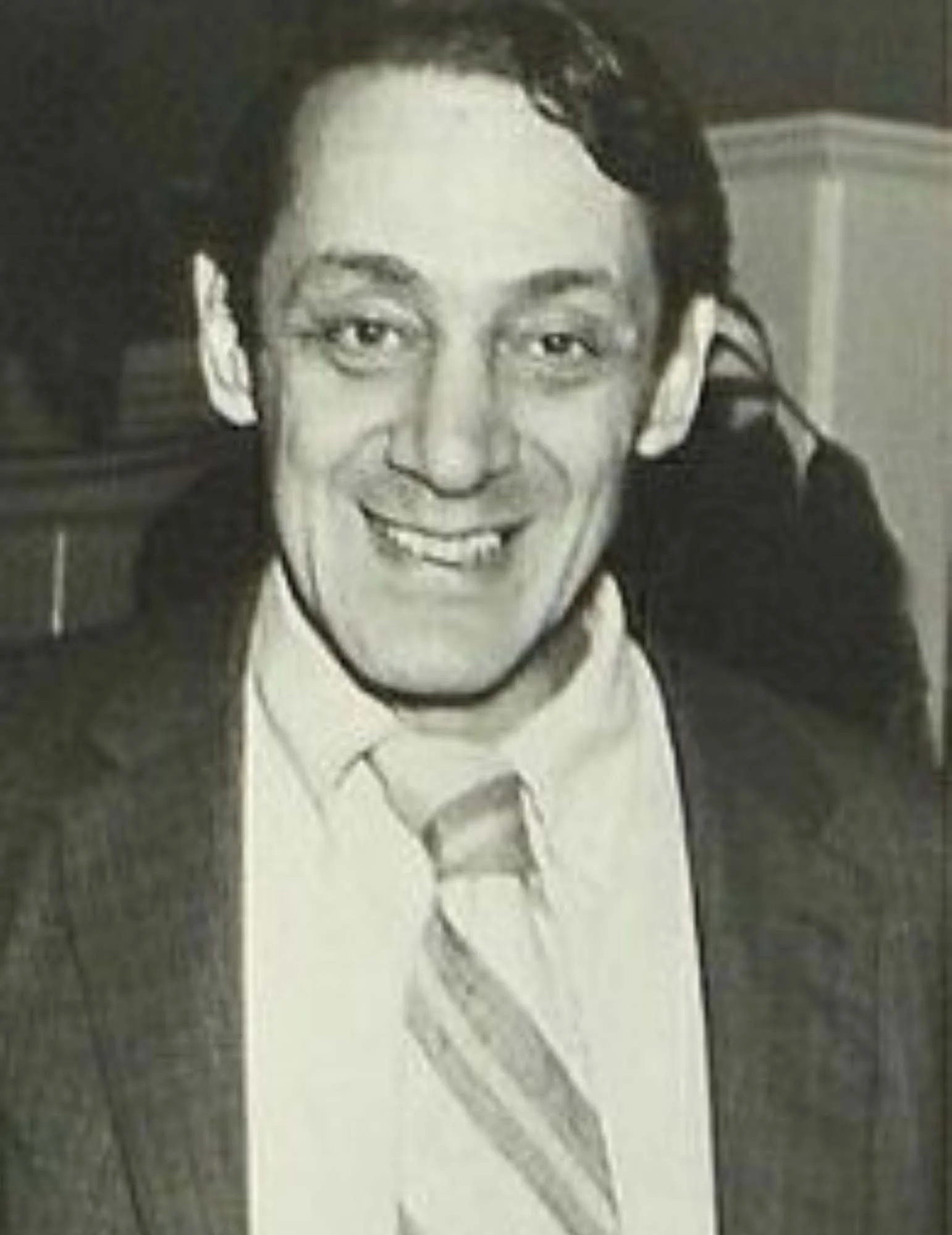
Harvey Bernard Milk
(May 22, 1930 - November 27, 1978)
Harvey Bernard Milk was the first openly gay man to be elected to public office in California as a member of the San Francisco Board of Supervisors in 1977. He helped pass a gay rights ordinance for the city of San Francisco that prohibited anti-gay discrimination in housing and employment. In 2009 Milk was posthumously awarded the Presidential Medal of Freedom and in November 2021, the US Navy launched the USNS Harvey Milk, a John Lewis-class fleet oiler, becoming the first US Navy vessel to be named for an openly gay person.
Milk’s resistance ran on hope stating, “I know you can't live on hope alone; but without hope, life is not worth living. So you, and you and you: you got to give them hope; you got to give them hope.” In his speeches, he advocated for visibility and political participation so that when people see queer leaders, they can imagine a life beyond hiding. Milk felt that community pride celebrations were a strategic tool to be used against isolation and shame in someone's identity. He used his position to affect lasting change through policy, creating protections for LGBTQ+ folks.
-
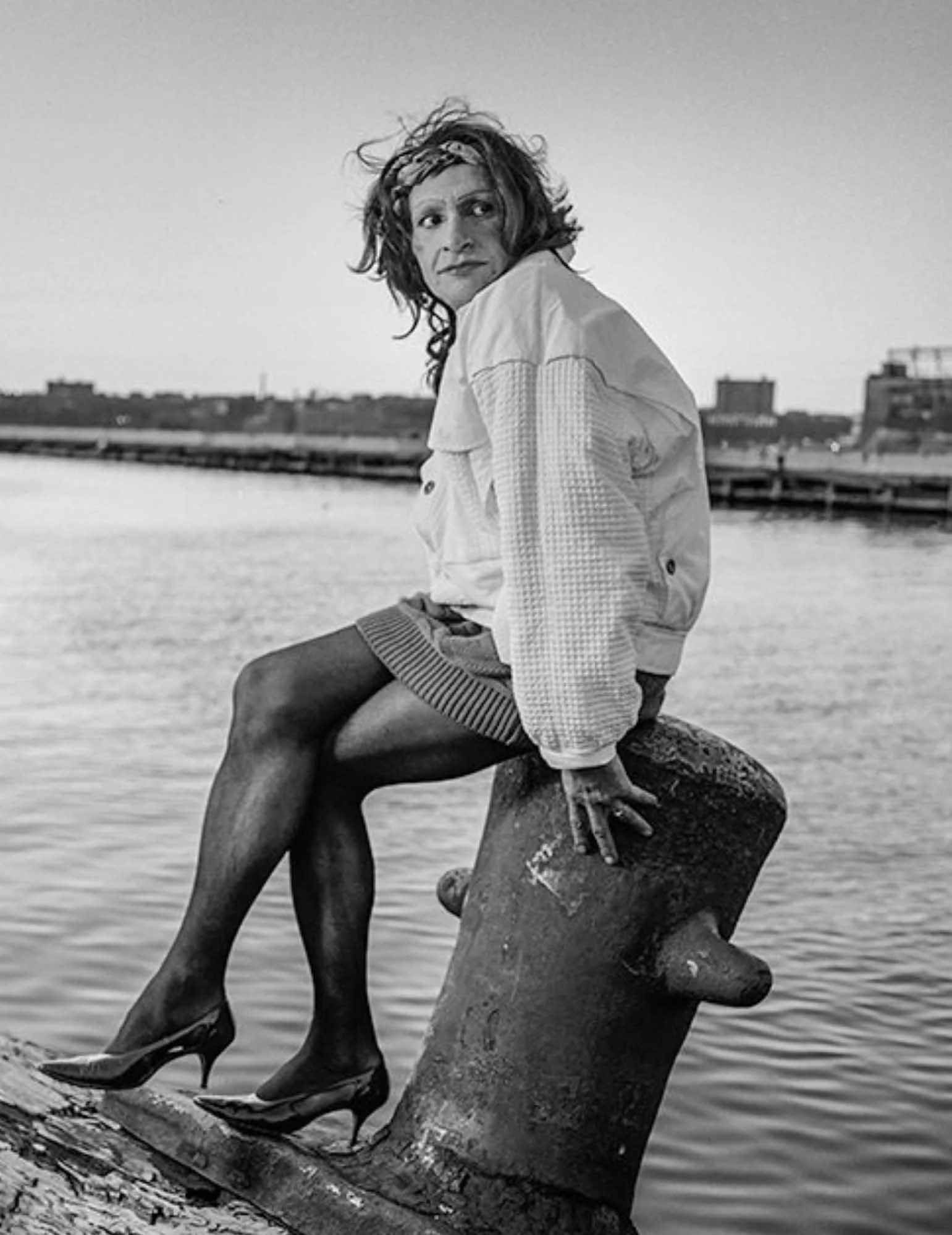
Sylvia Rivera
(July 2, 1951 - February 19, 2002)
Sylvia Rivera was a transgender Latina activist and Stonewall veteran who fought for the inclusion of trans people, drag queens, and street youth within the broader gay liberation movement. She fought hard for the rights of transgender folks, stating “I’m not missing a minute of this- it's the revolution!.”
Rivera co-founded STAR (Street Transvestite Action Revolutionaries) with Marsha P. Johnson to provide housing and mutual aid for homeless queer/trans youth, centering those most marginalized by poverty and policing. She helped build STAR and STAR House to provide food, clothing, and shelter and created spaces where queer and trans youth could experience dignity, safety, and community in a society that treated them as disposable. Rivera also insisted that liberation must include street queens, drag queens, trans people, and the poor.
-
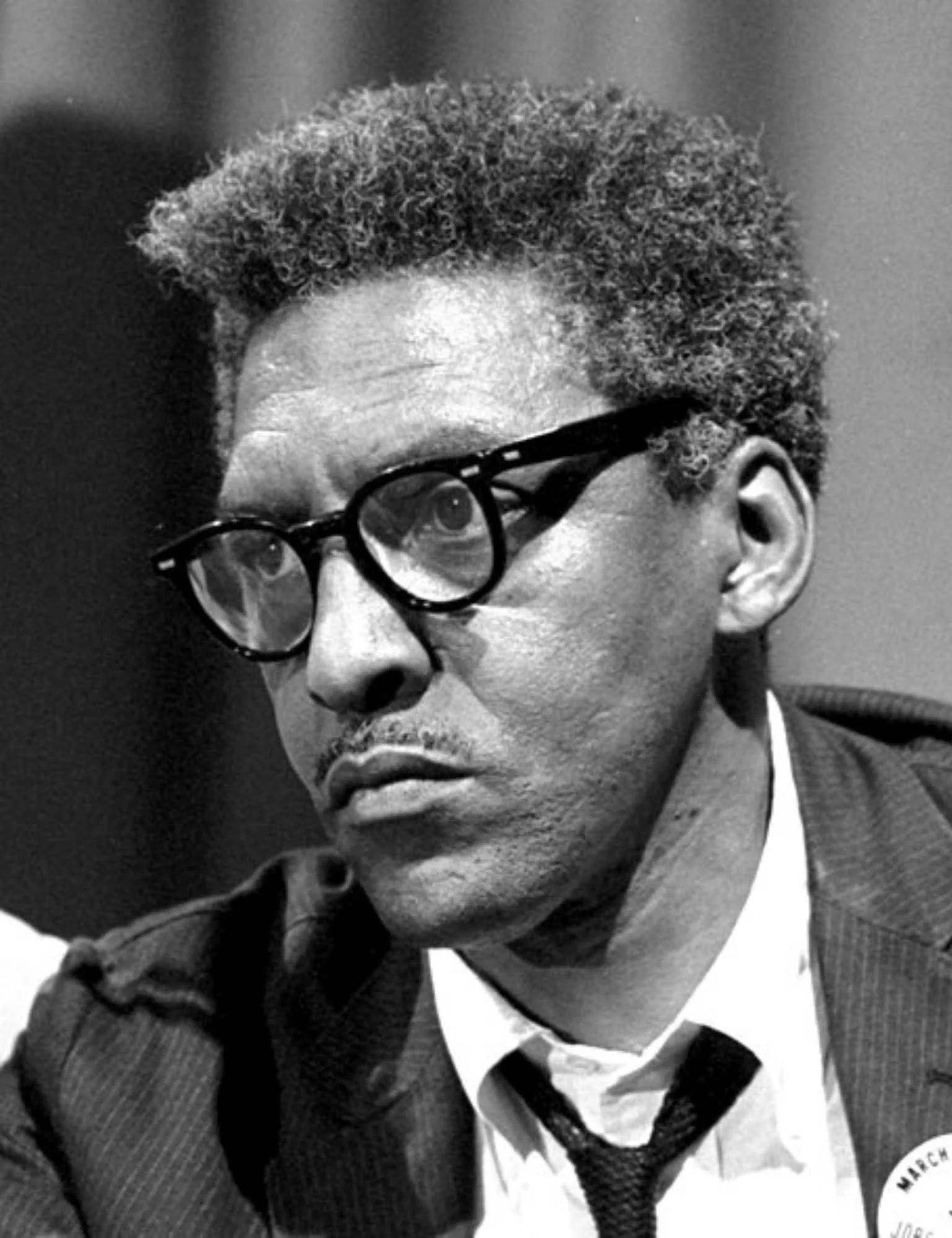
Bayard Rustin
(March 17, 1912 – August 24, 1987)
Bayard Rustin was a political activist and prominent leader in social movements for civil rights, socialism, nonviolence, and gay rights. His entire outlook can best be summed up by this quote, “To be afraid is to behave as if the truth were not true.” Rustin worked tirelessly for decades in the civil rights movement, but he is most well known for having worked closely with Dr. Martin Luther King, Jr as a principal strategist and organizer for the nonviolent March on Washington for Jobs and Freedom in 1963.
Rustin embodied his resistance in a way that was deeply intentional and rooted in love, discipline, and an unwavering belief in human dignity, even while facing racism, homophobia, and political hostility. He chose nonviolence as a practice grounded in hope and moral clarity. By believing in a better future, and acting on it peacefully, he resisted hatred and despair. Rustin often used music, spirit and the idea of collective energy in organizing through freedom songs, shared singing, and community gatherings which created emotional uplift which he felt would strengthen the movements he worked so hard for. Rustin believed deeply in coalition-building as a way to create connection and unity.